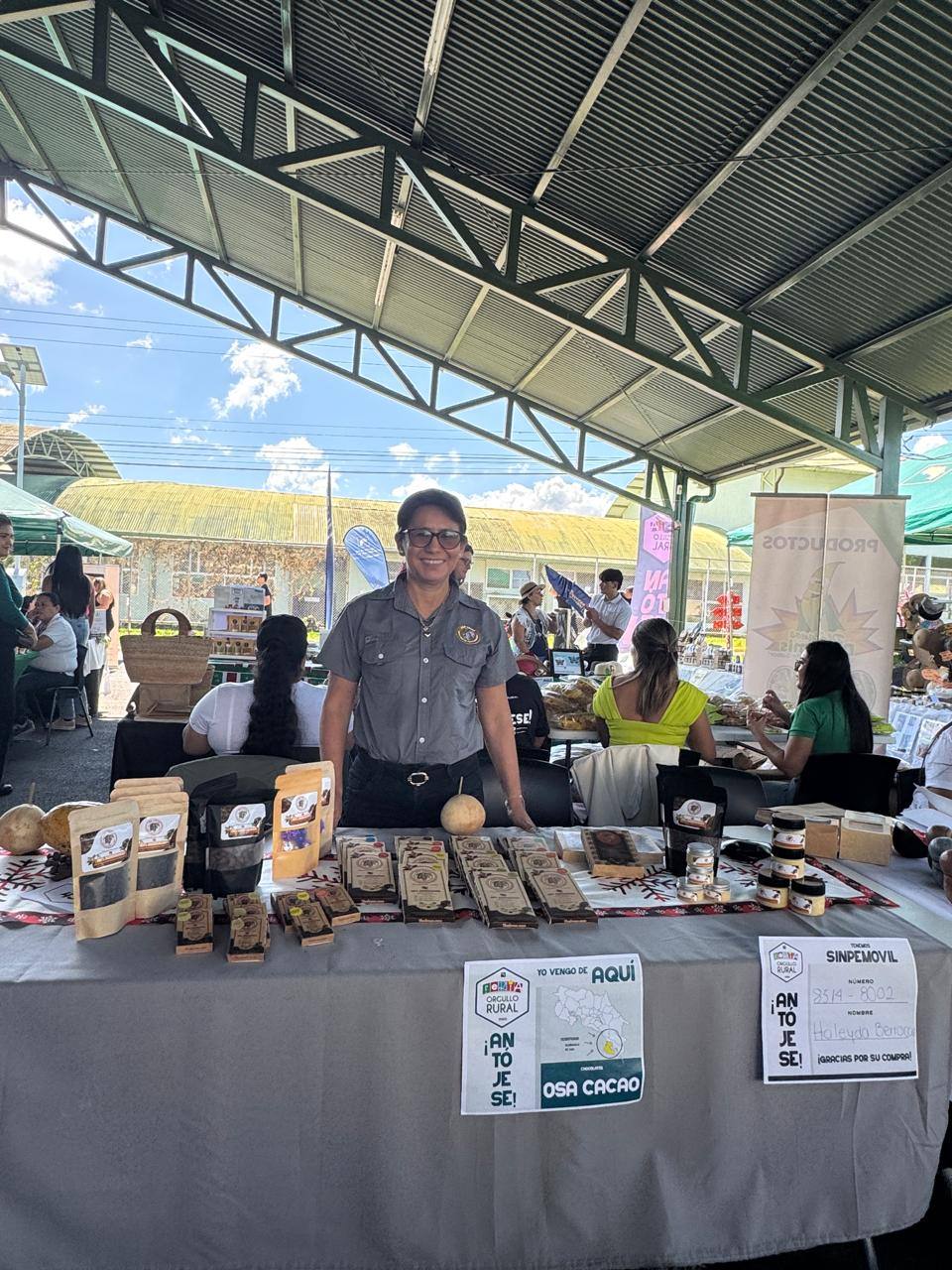
In the rainforest of the Osa Peninsula, near Puerto Jiménez, our chocolate doesn't begin in a factory. It begins on our land.
At Osa Cacao, every chocolate bar we make comes from a process we carry out ourselves, from growing cacao trees to crafting the final bar. For us, bean to bar chocolate means being present in every step, respecting the rhythm of nature, and doing things with care. This is how our chocolate is made.
The Beginning: Growing and Waiting (≈ 6 months)
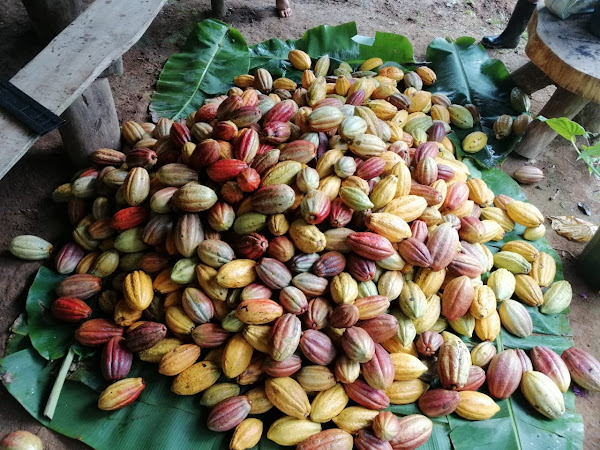
Before anything is harvested, time has already done its work. After a cacao flower is pollinated, it takes around 6 months for the fruit to fully mature. During that time, the pod grows slowly on the tree, surrounded by the rainforest.
We don't rush this process. The quality of the chocolate starts here: in patience, in the soil, and in the way the cacao tree is cared for.
Harvesting: Where Everything Begins (1 day)
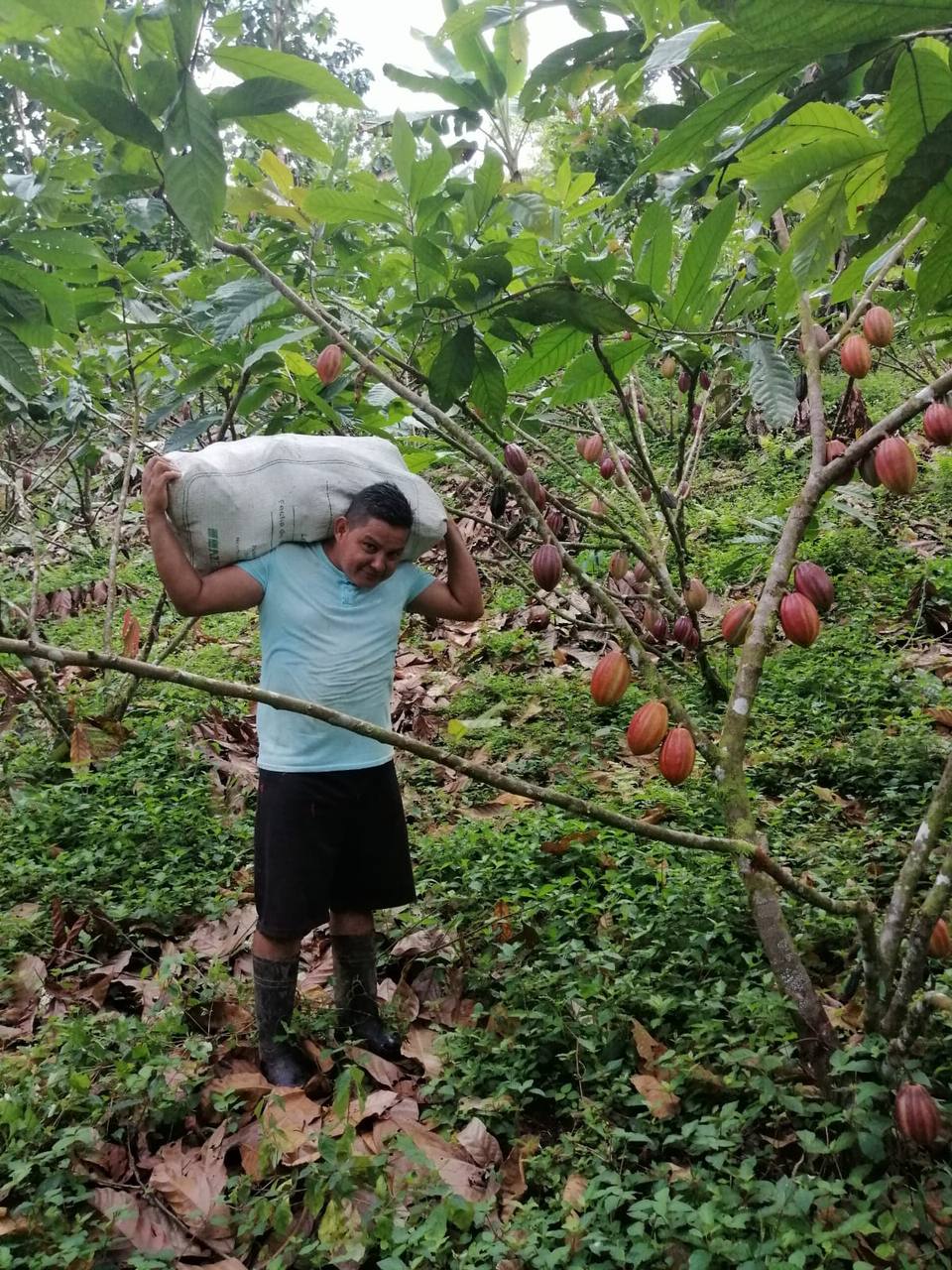
Once the cacao pods are ready, we harvest them by hand. Each fruit is cut carefully from the tree and opened the same day. Inside, the cacao beans are covered in a sweet white pulp, something that surprises most people when they taste it for the first time. This is the true beginning of chocolate.
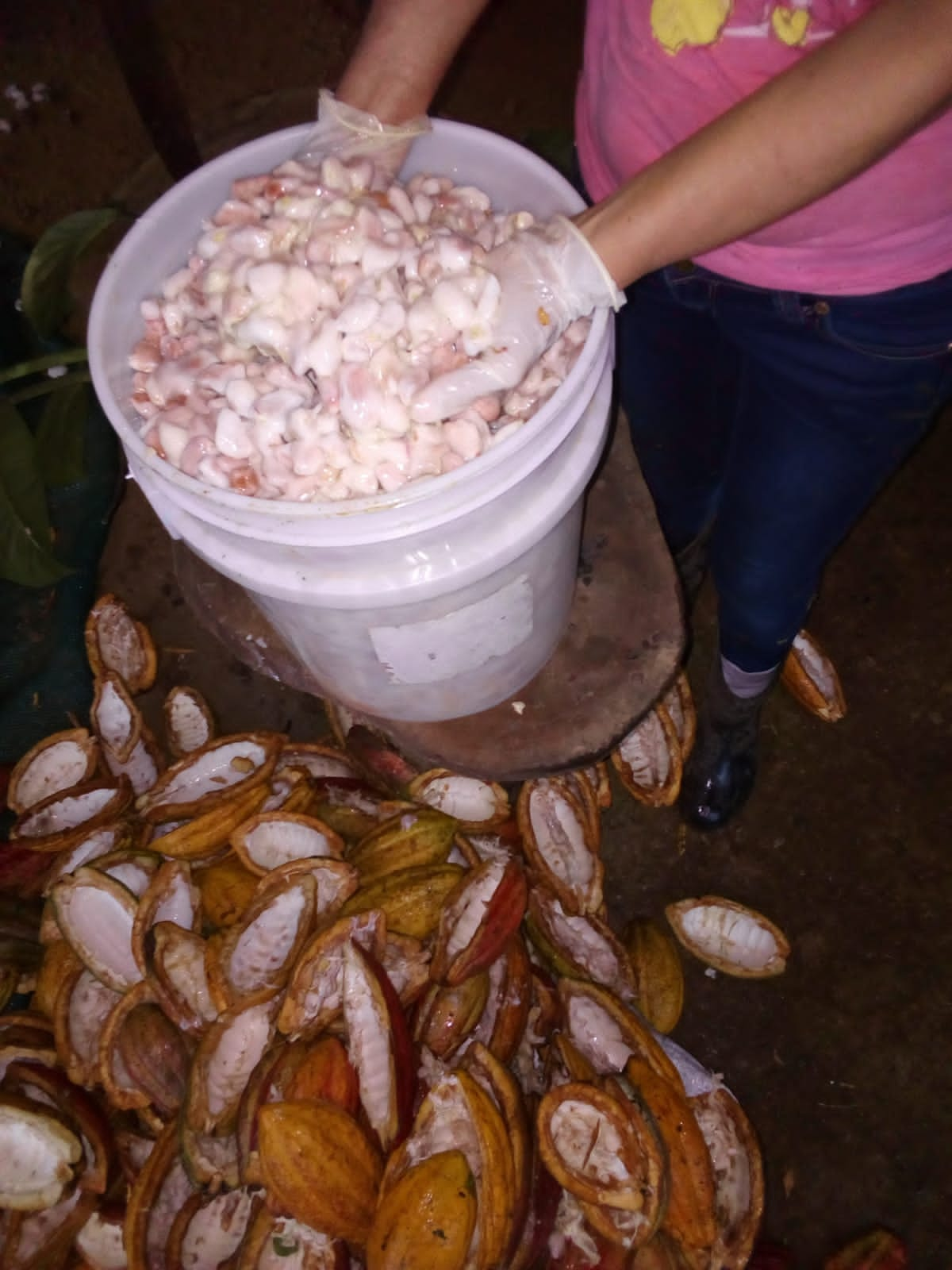
Fermentation: Developing the Flavor (5–7 days)
After harvesting, the beans are placed in wooden boxes to ferment. This is one of the most important stages in the chocolate making process. Over 5 to 7 days, natural reactions begin to develop the flavors that will later define the chocolate. We turn the beans, check their condition, and let the process evolve naturally. Good chocolate is built here.
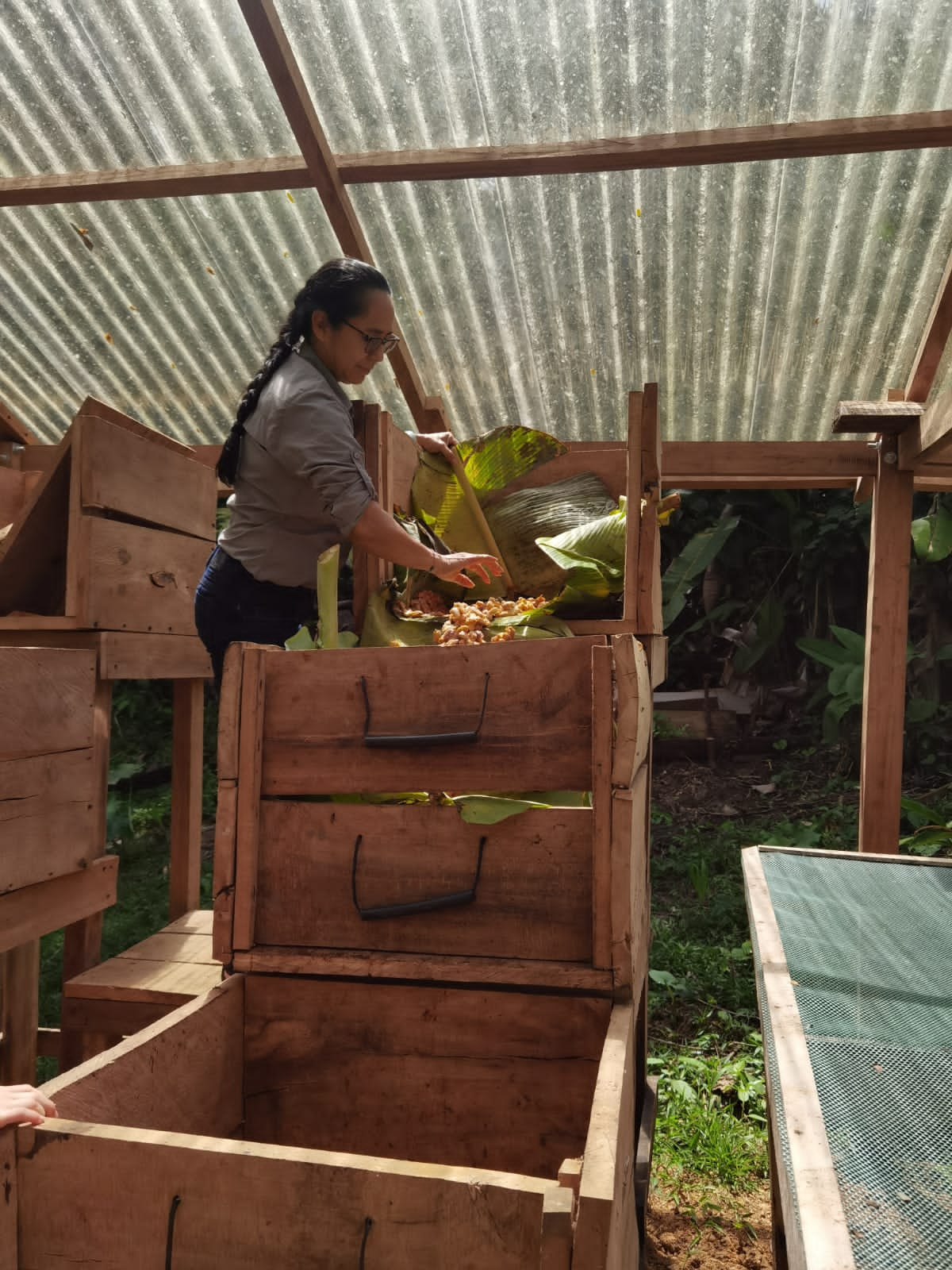
Drying: Letting Nature Take Its Time (5–10 days)
Once fermentation is complete, the beans are dried under the sun. In the climate of the Osa Peninsula, this process can take 5 to 10 days. We move the beans constantly to ensure even drying and prevent defects. This stage stabilizes the cacao and prepares it for roasting. Again, it's a process that cannot be rushed.
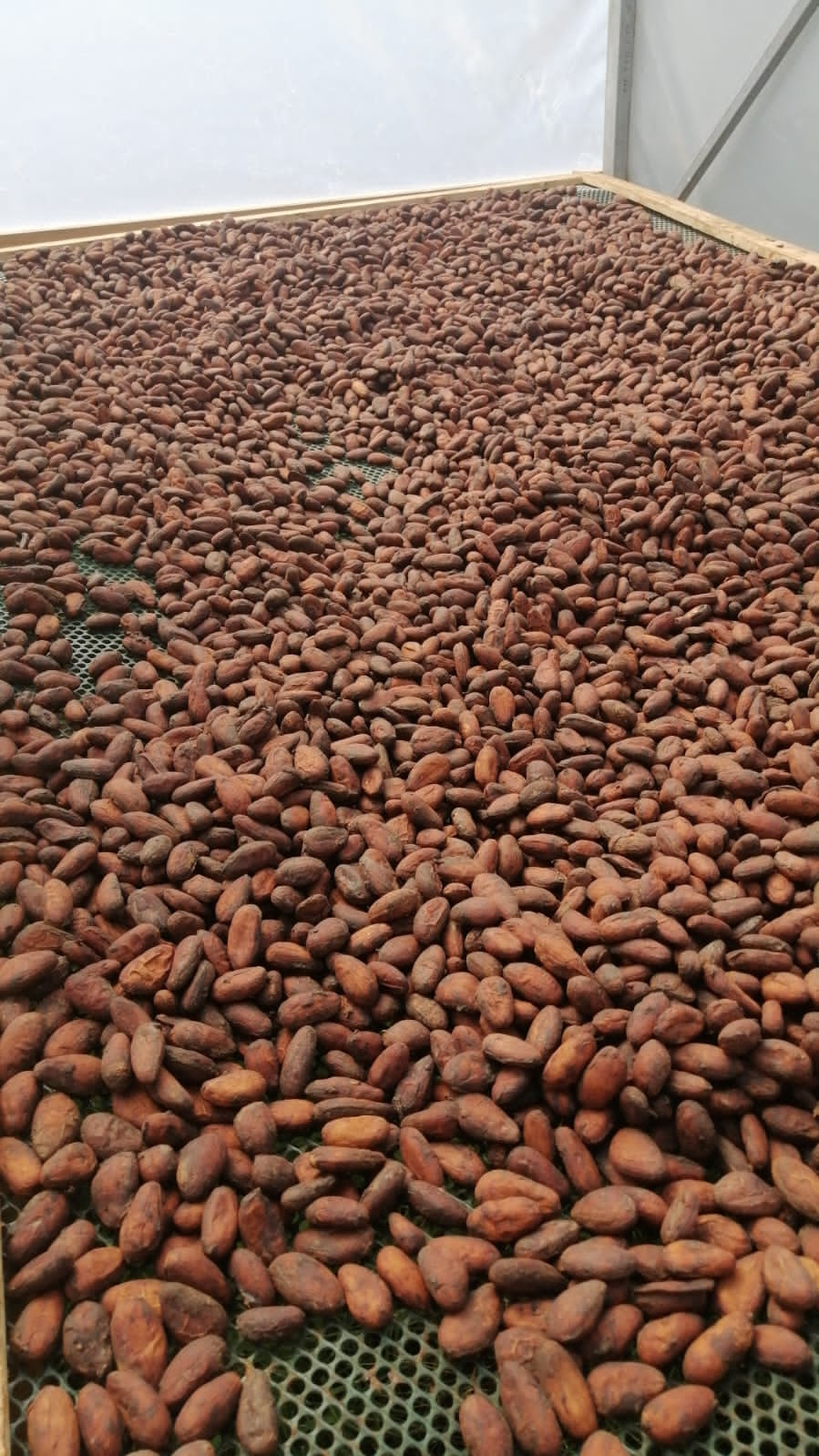
Roasting: Bringing Out the Aroma (20–40 minutes)
After drying, the beans are roasted. This step takes between 20 and 40 minutes, depending on the batch. During roasting, the aroma of chocolate begins to appear, and the flavors become more defined. We roast in small batches, adjusting each one carefully, because every harvest is different.
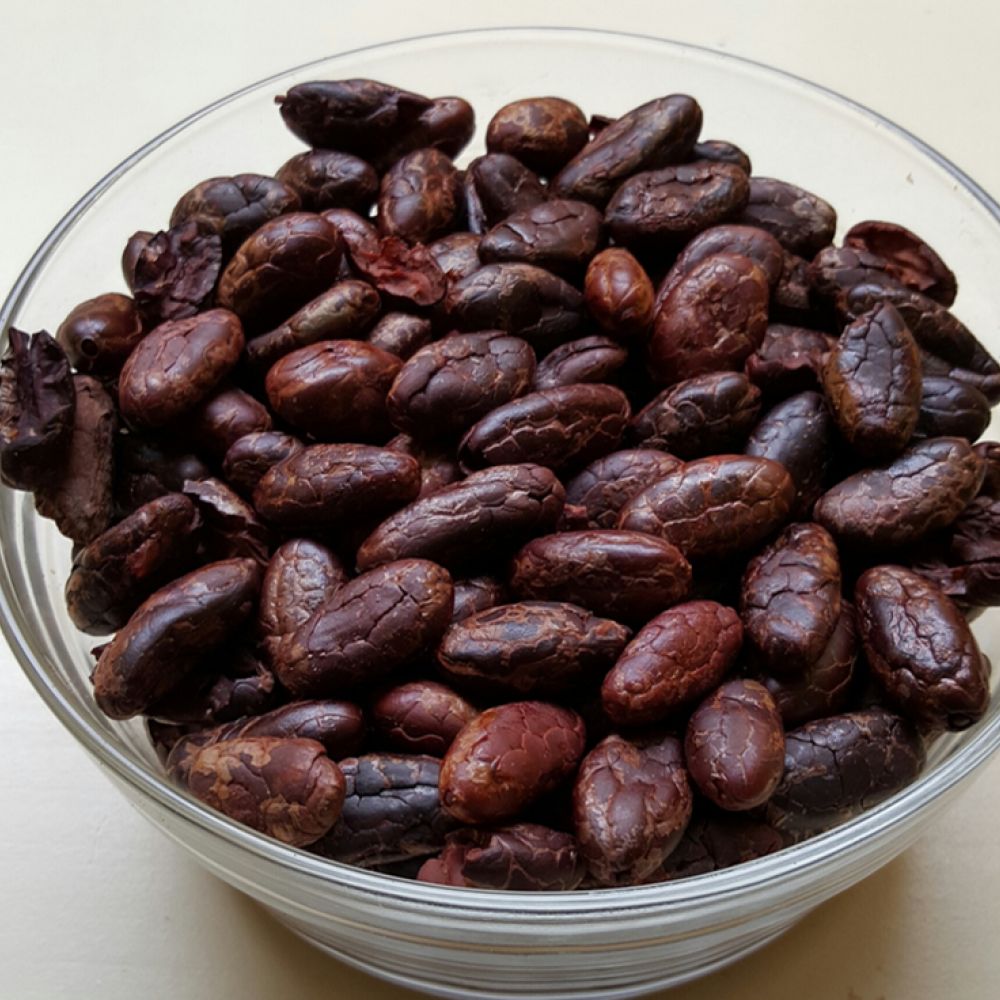
Grinding: Transforming Cacao Into Chocolate (1–2 days)
After roasting, we remove the shells and grind the cacao. The beans are transformed into a thick paste made entirely from cacao. This stage can take 1 to 2 days, depending on the batch and the texture we are looking for. This is where cacao truly begins to feel like chocolate.
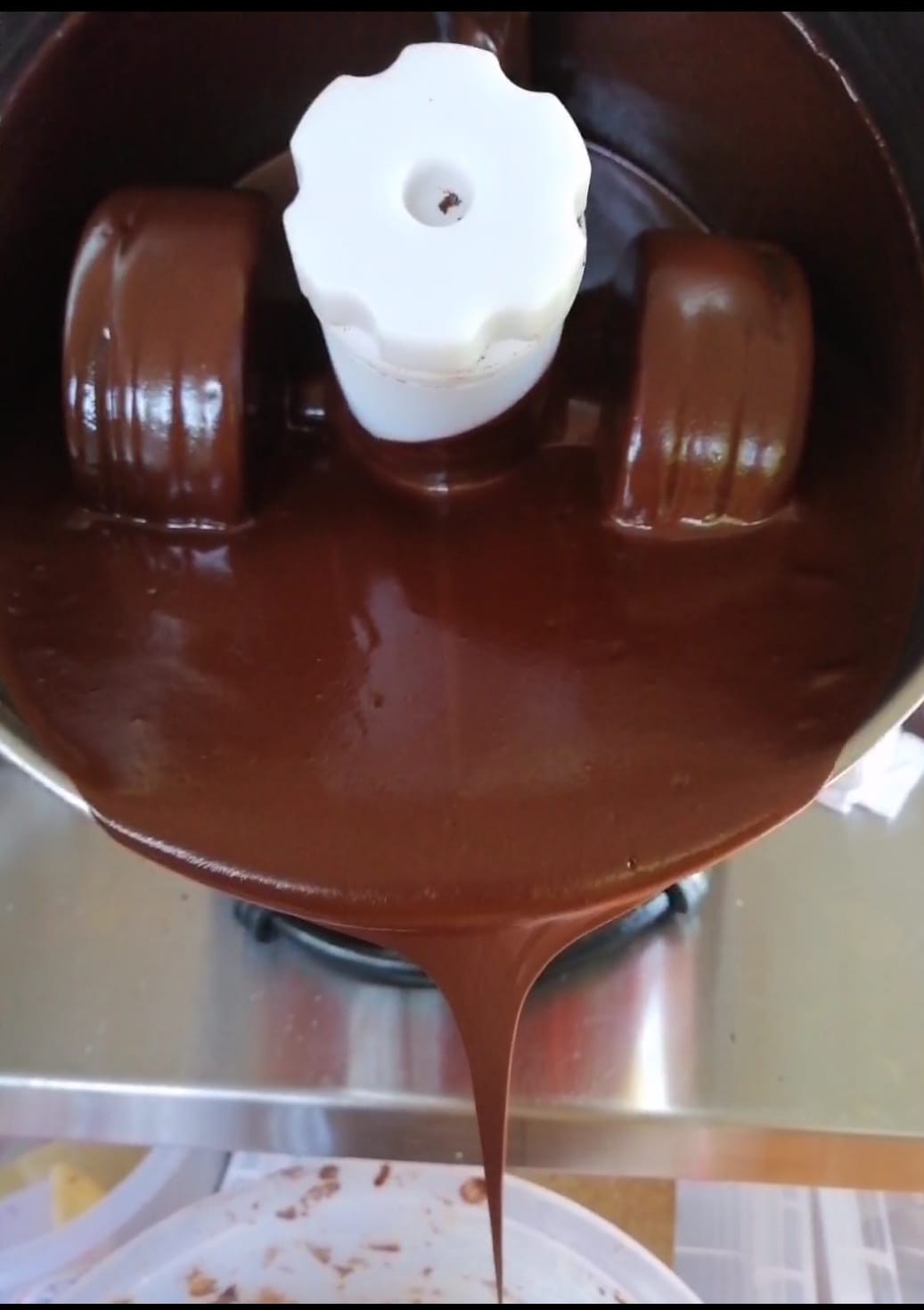
Refining: Creating a Smooth Texture (1–2 days)
At this point, the chocolate still has a rough texture. We continue refining it over 1 to 2 days until it becomes smoother and more balanced. This step improves the mouthfeel and helps integrate the flavors. It's a slow process, but it's essential.
Tempering: Giving Chocolate Its Structure (hours)
Tempering is one of the most precise parts of the process. Over a few hours, we carefully control temperature to stabilize the chocolate. This gives it its final structure: smooth, firm, and with a clean snap. It's a step that requires attention and experience.
Molding: The Final Step (1 day)
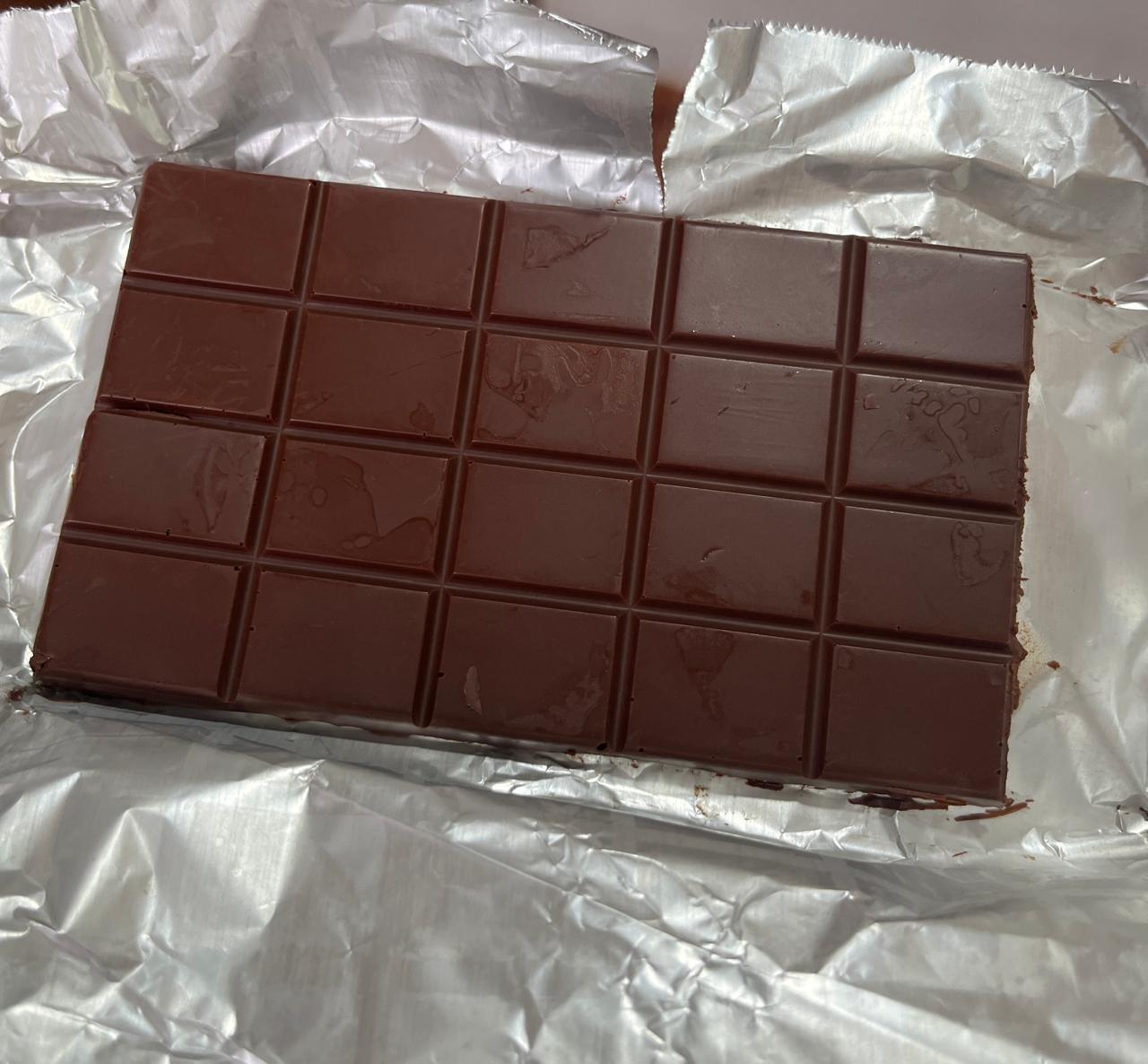
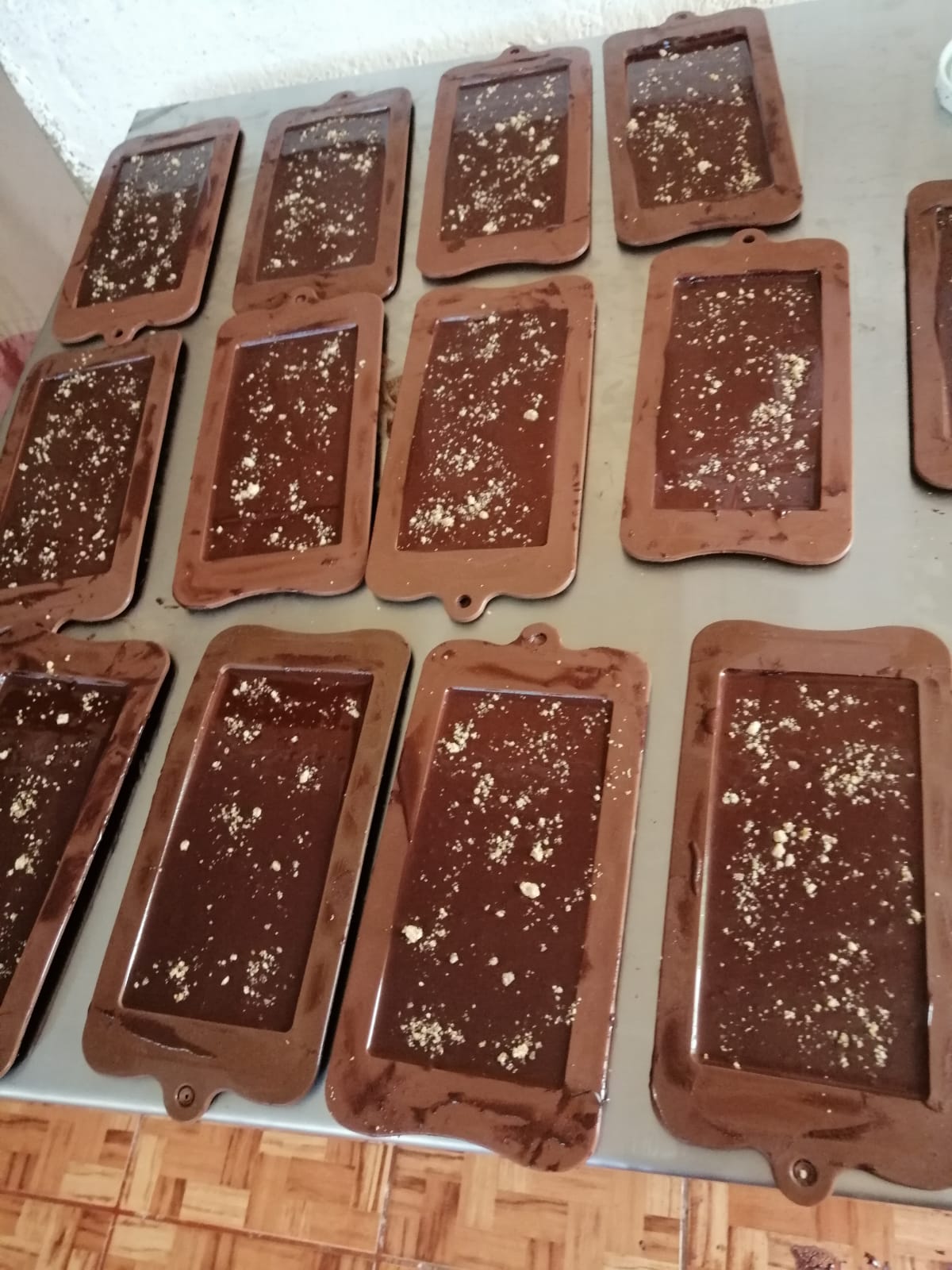
Finally, the chocolate is poured into molds and left to set. In about 1 day, the chocolate becomes a solid bar, the result of every step before it. Each bar we make at Osa Cacao carries the full journey.
A Process That Takes Time
From the moment a cacao flower becomes fruit to the final chocolate bar, the process takes time. 6 months for the cacao to mature. Around 2 to 3 weeks for post-harvest processing. For us, this is not something to speed up. It's what gives our chocolate its character.